Why Survivors Anonymous exists
Survivors Anonymous grew
from the space between
surviving and living.
The pathway brings trauma and recovery into the same conversation, creating room to understand how survival strategies can shape identity, relationships and the way forward.
The origin
Survival responses can become
a starting point for healing.
Survivors Anonymous places protective patterns in their full context. It recognises the intelligence of survival while making room for new ways of relating to ourselves, other people and the future.
The pathway offers language, structure and connection so survivors can approach pain with compassion and build change from a stronger sense of self.
About the author
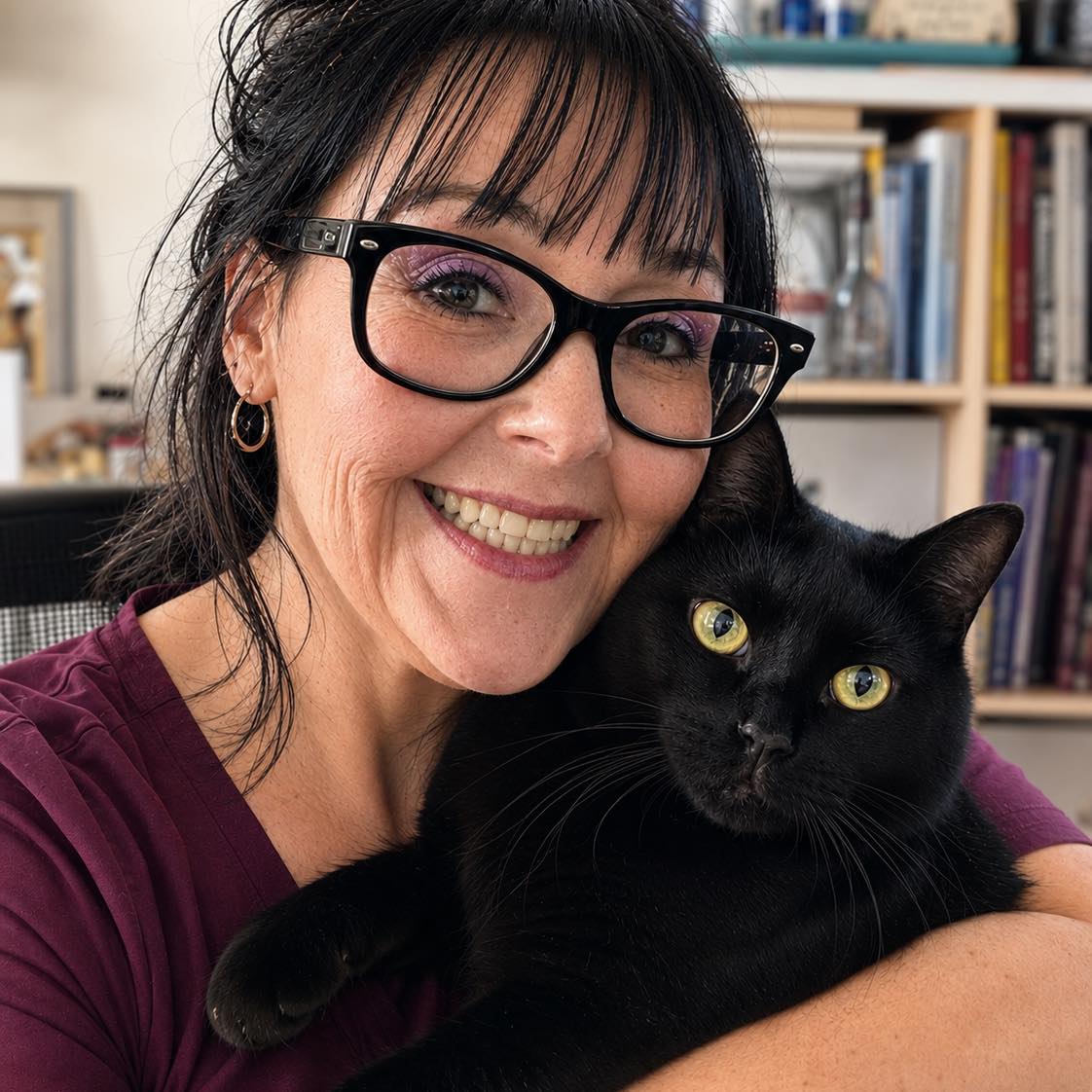
Tania Brown
Writer, Specialist Trauma Practitioner, and founder of Forged in Fire Press.
Tania is based in North Queensland and has a background in psychology, social-system vulnerability and trauma-informed care. Her work draws on professional practice and lived experience to understand how trauma can shape behaviour, relationships and identity.
Through her own recovery, she saw the need for a structured peer-support pathway for survivors who understood what had happened but still wanted help finding a way forward. Survivors Anonymous is her first book.
What this is grounded in
The framework brings together practice, lived experience and peer connection.
Survivors Anonymous draws on trauma-informed principles of safety, trust, choice, collaboration and empowerment. It also adapts the twelve-step form used by peer fellowships, with language that reflects trauma, survival responses and the need for safe boundaries.
The framework recognises that people often heal in connection. Peers contribute by sharing their own experience while respecting each person as the authority on their own life.
How the fellowship is being built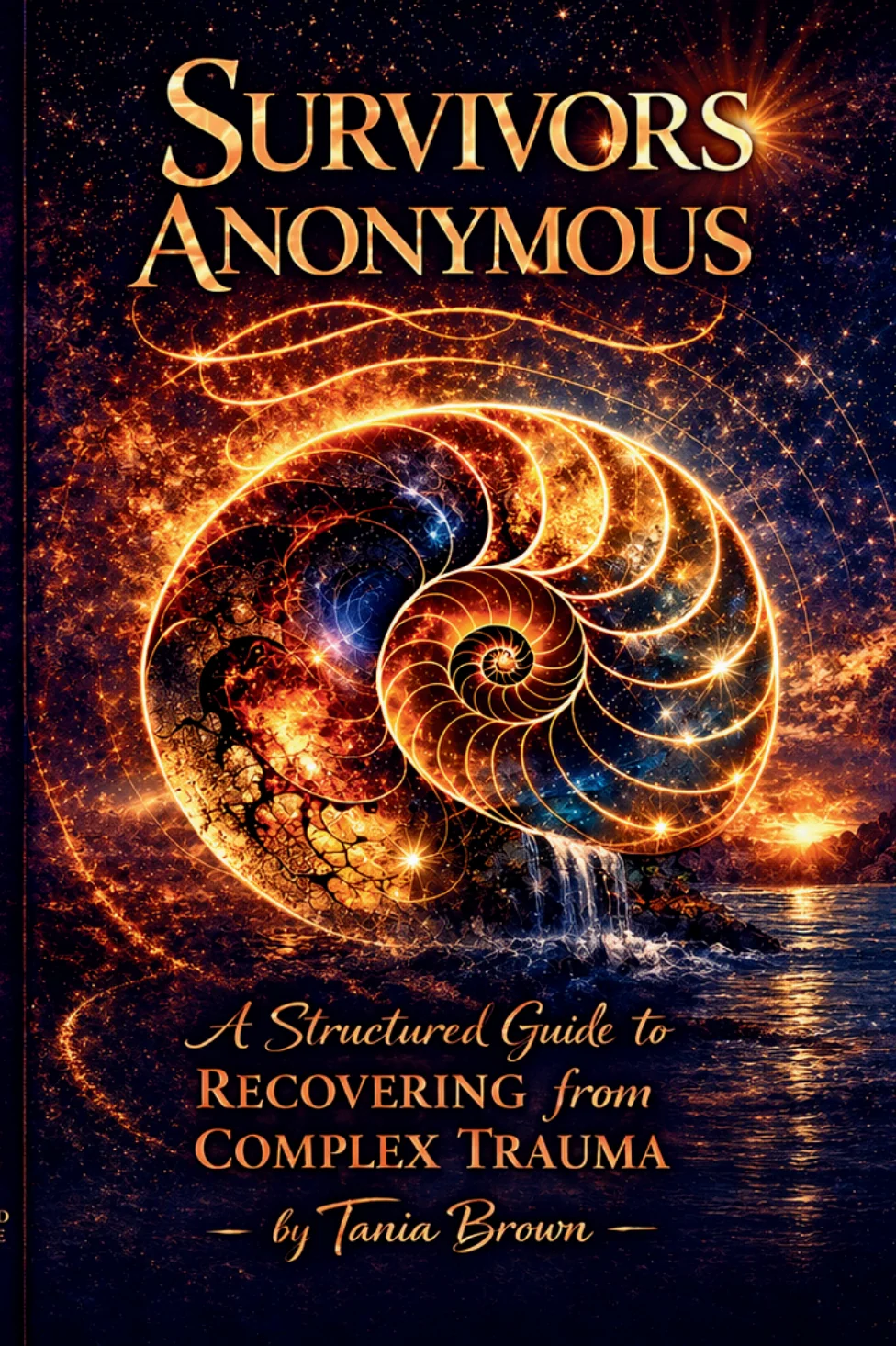
The published book
The book is a structured guide for recovering from complex trauma.
It begins with the foundations of trauma and coercive control, follows a twelve-step recovery pathway, and closes with practical readings and values for peer-led meetings.
Part I Foundations
Part II The pathway of recovery
Part III Integration and wisdom
Part IV Community and connection
Part V Community resources
“There was nothing wrong with me. There was something that had happened to me. And everything I had done since then had been an attempt to survive it.”
— Tania Brown, Survivors Anonymous, ch. 1See the framework